
THE play parks at the Alders and Birchgate developments in Silfield in Wymondham were installed over two years ago but play equipment -swings, slides etc – sat forlornly behind wire fencing, unused and unloved. On my regular walks around the neighbourhood, the parks even caught my eye though my daughters are grown, we have no little ones in the family and therefore no need for them.
But an initial email from a local resident asking if I could do anything about the situation arrived one day to my inbox and she had been told that the reason for the continued closure of the play areas was due to COVID. Ah yes, COVID. The pandemic which not only brought us all to a standstill in 2020 but also became the top excuse to stall or delay anything official. And so it was when I wrote to the developers, I got the same response.
In reality, the reason why the parks were closed was because the developers had yet to hand over the estate to the management company which would eventually run and maintain the public spaces, along with the play areas. So with liability lying with the developers, they were reluctant to open. Which had this been the reason given, may have garnered more understanding from residents as to why the parks remained closed.
But they decided to go with COVID. Until the easing of the first lock down meant that other play areas, including council run ones, opened up to children again (and still had enough summer for children to enjoy them).
I had another flurry of emails again asking about this and wondered how we could shine a spotlight on the issue, like we had so successfully managed to do at the step free access protest at Wymondham Station.
Years ago in my time as a member of human rights group Embargoed! in London, I came up with some daft ideas to draw attention to the cause (the link to one of them is here: http://news.bbc.co.uk/1/hi/england/london/4461773.stm) and on the spur of the moment, I thought about tying coloured ribbons to the wire fencing. So a quick Facebook post invited local people and their kids to go to the play areas and tie ribbons on. And some added little notes too which were very touching. Every day, more and more ribbons were tied to the fencing.
And this then caught the attention of the local press.
A good write up from an eager young reporter brought unwanted publicity to the developers and lo and behold, the parks opened a week later.
Naturally I was chuffed to bits as was my co-conspirator and councillor colleague Annette James. So we visited the park to see the results for ourselves. On a sunny morning, children were indeed playing on the swings, slides, etc. We were delighted.
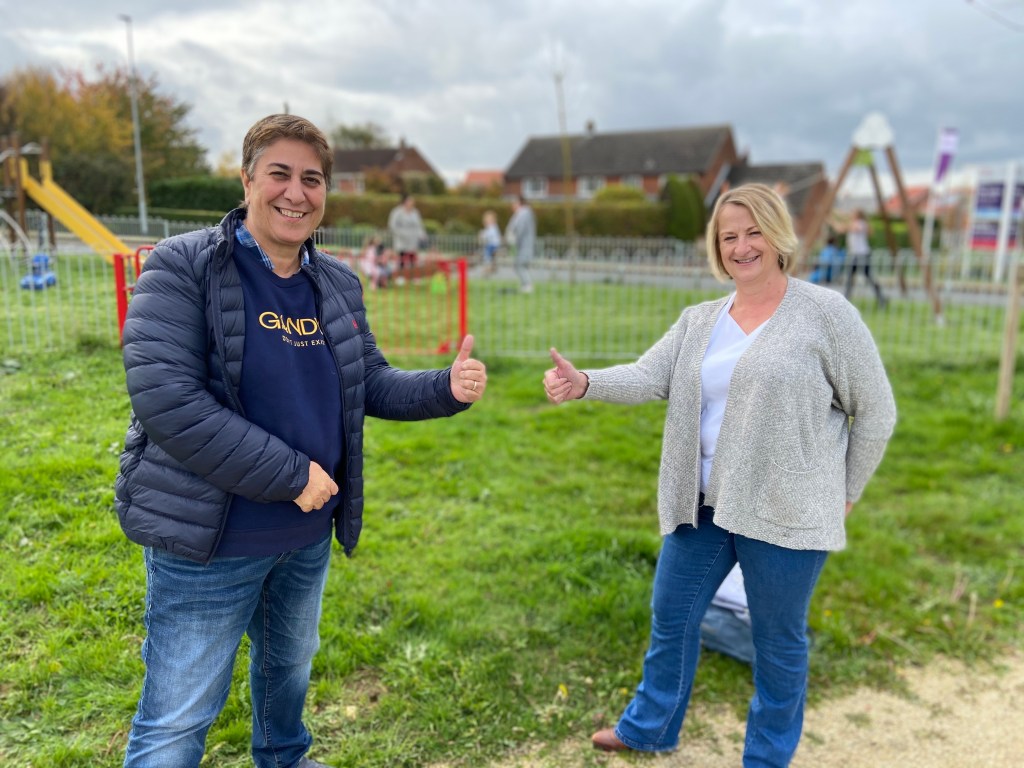
But I noticed something else. The play areas are designed for young children so parents/carers were with them. And they were chatting to each other. Someone I know at Ketts Books who lives near the play areas said it was wonderful to see children playing but also people talking to each other. Some people said they didn’t realise so many kids lived on this estate.
And this is what developers, planners, those who draw up policies and those who implement them don’t always understand: you can build houses but communities are formed when you put in place the mechanisms which allow them to grow. The simple act of opening a play park has ignited friendships not just among children but residents too.
There’s a line from an old Kevin Costner movie Field of Dreams “build it and they will come” and this is true to an extent. Developers build the houses and people buy them.
But to build a community is a much more subtle form of alchemy and policy makers/developers need to understand this process is just as valuable, valid and necessary.
 Hello this is Wymondham calling